Мы используем cookie

Необходимые cookie обеспечивают работу сайта. Аналитические (сервисы веб-аналитики) помогают понять, как посетители пользуются сайтом, и включаются только с вашего согласия. Подробнее — в Политике конфиденциальности.

How to use

How to Pack Bonche

Bonche is made from 100% cigar leaf, so the result depends a lot on the smoking style you choose. The way you pack the bowl sets the character of the session: soft and delicate or rich and deep. Below we explain what affects this and how to dial it in.

01

What affects strength

Nicotine content of the leaf

Nicotine builds up in the tobacco leaf while it is still on the plantation, and the amount depends on the variety, soil, and climate. Fermentation and aging make the leaf smoother but keep its natural strength. Our blend of Nicaraguan cigar tobaccos is stronger than average.

How fast nicotine is released

The higher the bowl temperature, the faster nicotine is released and the richer the session. The flavoring opens up along with it: the two processes run in parallel and complement each other. Proper heating determines the session’s intensity and how evenly the components work.

Total amount of tobacco in the bowl

The more tobacco in the bowl, the more nicotine there is for the whole session. But not all of it works at once: the bowl shape determines how air and heat flow and how much of the tobacco heats up at the same time. The rest comes into play gradually as it warms up.

02

How the bowl heats up

Heat reaches the tobacco in three ways, and their balance determines how the blend opens up.

coals 400–550 °Ctop 150–180 °Cbottom 110–140 °Cwalls
  • Contact Heat passes from the screen and the warm bowl walls to the top and side layers of the blend.
  • Hot air When you draw, air passes over the coals, heats up, and gives off heat through the whole depth of the tobacco.
  • Radiation The coals and the hot screen warm the top layer from a distance, even between draws.
HeatAirflowRadiation

How temperature affects the flavoring and glycerin*

The flavorings in molasses are made of different components, and each behaves differently when heated: some evaporate already at moderate temperatures, others stay stable longer, and with strong overheating they start to break down. Glycerin, which produces most of the vapor, is also sensitive to overheating.

  • 50–100 °CThe most volatile aromatic compounds evaporate
  • 100–150 °CAromatic substances and aerosol components are actively released; early chemical changes are possible
  • 150–200 °CAromatics keep evaporating, and glycerin evaporates more actively, producing most of the vapor. Reactions in the tobacco blend intensify
  • 200–250 °CThermal breakdown becomes more noticeable for some flavorings
  • 250–300 °CGlycerin starts to break down, forming acrolein, a pungent compound with a sharp smell that irritates the throat. Flavoring breakdown intensifies, although some flavorings remain relatively stable
  • Above 300 °CThe likelihood of pyrolysis products increases

That’s why different flavors can open up differently at different temperatures: one sounds brighter with gentle heat, another with more intense heat. This directly shapes the aroma and the character of the smoke.

* This is an approximate scheme, not universal breakdown temperatures: how a particular flavoring behaves depends on its composition. Glycerin boils at 290 °C, and noticeable breakdown into acrolein begins at roughly 250–280 °C.

Temperature guidelines

The top layer is always slightly hotter than the bottom. As the bowl warms up, the difference narrows, and in steady operation the whole blend sits at roughly 110–170 °C. That’s why the whole bowl needs to warm up, not just the surface.

120 °Csmoke appears150–180 °Ctop layer working range200+ °Coverheating: the flavor fades and the session turns harsh

Guidelines based on lab measurements and measurements from the hookah community; exact values depend on the bowl, heat, and blend.

03

Preparing the tobacco

Stir the tobacco in the jar before packing: during storage, molasses*Molasses is the thick coating of a hookah blend, made of glycerin, sugar syrup, and flavoring. Glycerin holds moisture and produces vapor, the syrup adds thickness, and the flavoring sets the aroma. gradually settles to the bottom, and the top layer becomes drier than the bottom. Once stirred, the blend is even and performs consistently throughout the session.

* Molasses is the thick coating of a hookah blend, made of glycerin, sugar syrup, and flavoring.

molasses settlesstirbottom upeven blend
04

Bowl and packing

The bowl material determines how fast it heats up and how well it holds heat. A thick-walled bowl takes longer to warm up but works more evenly. A glazed surface doesn’t absorb flavor, while porous unglazed clay can take some of it. The bowl shape sets the airflow path, and therefore how much of the blend works at once.

swirl

Funnel

Air barely passes through the tobacco: it moves over the blend to the opening in the center spire and picks up vapor from the surface. Only the top layer works, while the lower layers feed it moisture through capillary action, like a wick. Nicotine is released smoothly and the session is steady.

Straight-flow

Air passes from top to bottom through the whole blend, so the most tobacco heats up at once. Nicotine and flavoring are released faster, and the session builds richness quickly. Pack the blend loosely, without tamping it down, so the airflow heats it evenly and without overheating.

well

Straight-flow with a well

Combines the principles of the first two bowls. A well is made in the center of the pack down to the bottom of the bowl: the main airflow goes through the well, while the blend around it warms gradually and, as in a funnel bowl, is fed moisture from below. The denser the pack around the well, the closer it works to a funnel; the looser, the closer to straight-flow.

AirflowMoisture riseTobacco: warmer at the top, cooler at the bottom

Packing density

Once the bowl is chosen, the main question is how tightly to pack the mix. Density decides how air and heat move through the tobacco, and with them how the flavor and the cigar leaf come through. The diagrams use a straight-flow bowl.

Loose pack

The tobacco lies freely, with plenty of air between the strands. Hot air passes easily through the whole layer and warms the mix all the way down. The flavor opens up fast, bright and clean, while the cigar leaf starts out soft and grows brighter as the mix gives up moisture. There is less tobacco in the bowl and air does most of the heating: the mix warms quickly, cools quickly during pauses and overheats easily. It needs less heat, and the session runs shorter.

Draw
light
Session
short
Flavor
bright, opens at once
Cigar leaf
soft, brighter by the end

TakeawayA fast, bright start, but a short session and little margin on heat.

Medium pack

The strands lie freely but without gaps. In any pack, heat arrives two ways: with the hot air as you draw, and through contact between the strands, from the top layer down. In a medium pack the two are in balance: air warms the mix on the draw, contact holds the temperature during pauses. The heating stays even, and the flavor and the cigar leaf open at the same pace.

Draw
free
Session
medium
Flavor
balanced
Cigar leaf
an even backdrop for the flavor

TakeawayAn even, predictable session with the flavor and the cigar leaf in balance.

Dense pack

The tobacco is packed tight, with a light press, and noticeably less air gets through. Heat travels mostly from layer to layer, top down, so the upper layer warms far more than the rest. The cigar leaf comes through from the first minutes, while the flavor opens gradually as the heat works its way deeper. This pack needs more heat and a longer warm-up, or the lower layers never start working. There is more tobacco in the bowl, so the session runs longer.

Draw
tighter than usual
Session
long
Flavor
opens gradually
Cigar leaf
comes through from the first minutes

TakeawayA long session that needs more heat: the cigar leaf speaks first, the flavor builds gradually.

AirflowHeat in the mix: the brighter, the hotter
Tip

Start with a medium pack: it heats evenly and shows the flavor honestly. If you want it brighter and lighter, pack looser. If you want a long session with a pronounced cigar leaf, pack denser — but without force, so the air doesn’t punch channels through.

Pack height

How close the blend comes to the screen determines how fast and how evenly it heats.

Gap

An air gap between the blend and the screen slows heat transfer — by roughly 10 °C for every millimeter. Heating takes longer but is more even: the top layer doesn’t scorch, and the session opens up gradually and smoothly.

Contact pack

The blend touches the screen, and heat passes directly, with no air gap. Heating is faster, the session builds richness sooner and opens up brighter, but the top layer gets noticeably hotter than the lower ones.

05

Heat screen

Foil or a heat management device goes between the coals and the blend. The material determines how heat spreads and how long it lasts.

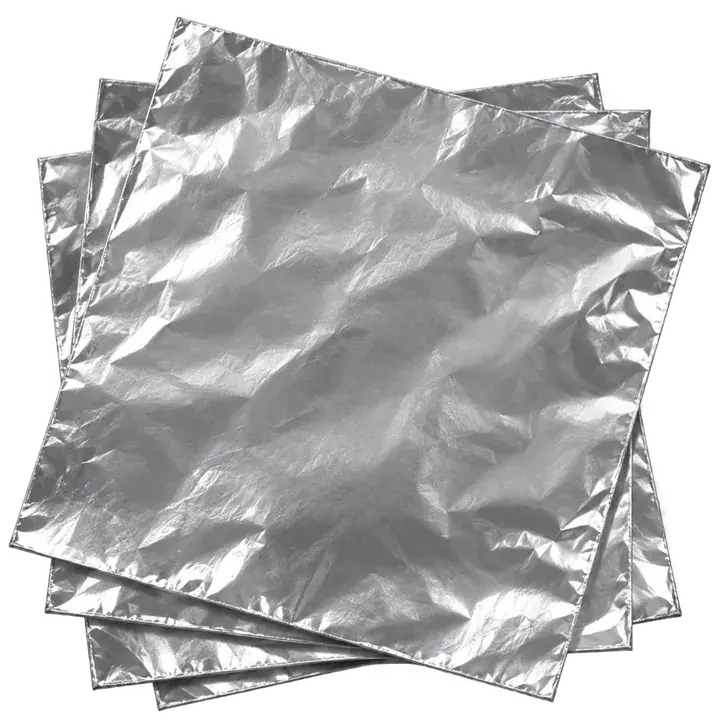
Sheets of hookah foil

Foil

A versatile option that takes some skill. You control the number of layers and how tightly it’s stretched, and therefore how much heat reaches the blend. Foil responds to the coals instantly: it heats up fast and cools down just as fast.

Aluminum heat management device

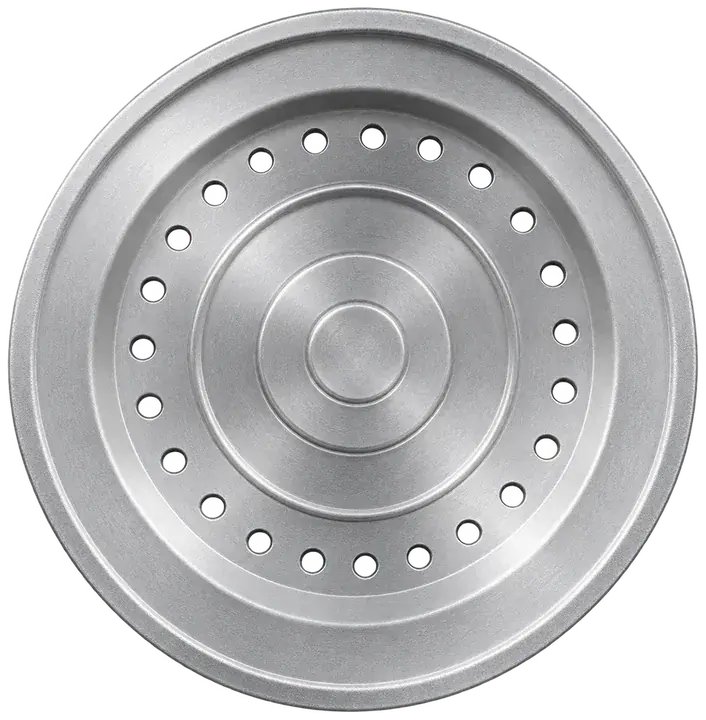
Aluminum device

Aluminum conducts heat very well: the device warms up quickly and spreads heat evenly across the whole surface, from the center to the edges. But it also cools just as quickly, so the bowl temperature changes more noticeably when the coals burn down or are moved.

Steel heat management device

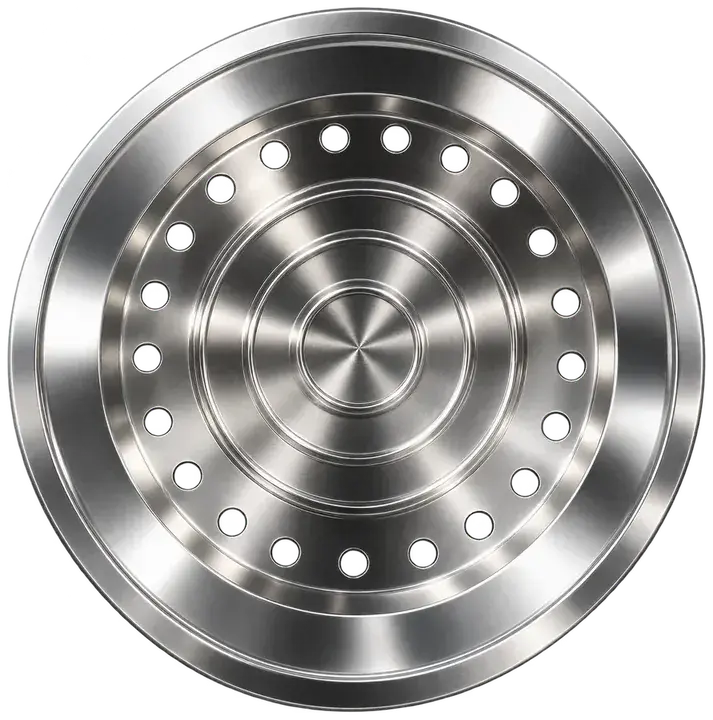
Steel device

Steel conducts heat more slowly than aluminum but stores it better. The device takes longer to reach working temperature, but then holds it steady and barely reacts to short swings in heat. Heat is more concentrated in the center, closer to the coals.

06

Coals and their placement

Preparing the coals

Coals must be fully heated before you place them on the bowl. A ready coal is covered on every side with a thin layer of light ash, with an even red glow underneath and no dark spots.

As a coal heats up, it releases substances left over from production. If you heat it fully, most of them burn off before the session starts. This way the tobacco reveals a clean aroma with no burnt taste, and the bowl heats steadily, without a sudden temperature spike.

Important. Even a fully heated coal releases carbon monoxide throughout the session, and the water in the base does not filter it out. Use your hookah in a well-ventilated room. If you get a headache, feel dizzy or nauseous, stop the session and get some fresh air.

Two in the middle, two on the rim

Active combined heating. Two coals in the middle intensely heat the bottom of the heat management device (HMD) and the top layer of the blend. Two coals on the rim additionally heat the bowl body and the air passing through it.

What you get

Strong heat and a potentially more intense session. The blend may reach working temperature faster, but the risk of overheating is also higher.

How to use

Suited for active heating when the blend needs a lot of heat. Keep an eye on the blend and reduce the heat at the first signs of overheating. Don’t leave this setup unattended for long.

One in the middle, three on the rim

Focus on heating the air. One coal in the middle keeps the bottom of the HMD warm, while three coals on the rim actively heat the air passing through the bowl.

What you get

The session can feel brighter and more intense without a comparable rise in the temperature of the HMD bottom. How strong it feels depends more on airflow and how hard you draw.

How to use

Choose it when the blend is already warm but you want to change the intensity without adding coals to the middle of the HMD. Don’t treat this setup as guaranteed to run cooler: the outer coals also transfer heat to the bowl body and the HMD bottom.

Two in the middle, one on the rim

Heating mainly through the bottom. The two coals in the middle transfer most of their heat to the bottom of the HMD, warming the top layer of the blend. The coal on the rim additionally heats the bowl body and the passing air.

What you get

Pronounced heating of the blend through the bottom with fewer outer coals. Compared with one coal in the middle and three on the rim, the bottom may get hotter, while the extra air heating is less pronounced.

How to use

Choose it when you need to keep the blend itself actively heated. Watch for signs of overheating: if the blend is already too hot, moving one coal to the rim won’t necessarily lower the temperature right away.

Two in the middle, one on top

Heating with an extra coal on top. The two coals in the middle heat the bottom of the HMD directly. The third coal gives them extra heat but also changes how air flows around them.

What you get

An extra heat reserve from the top coal. The session won’t necessarily get more intense: the result depends on how the coals touch and how the air moves.

How to use

Use it when you need to keep the lower coals hot, but keep in mind that this setup can change how they burn. Don’t treat the top coal as a guaranteed way to soften the session or heat the blend evenly. Never stack the coals unstably.

One in the middle, two on the rim

Moderate bottom heating with extra air heating. The coal in the middle heats the bottom of the HMD and the top layer of the blend, while the two coals on the rim additionally heat the bowl body and the airflow.

What you get

Less direct bottom heating than with two coals in the middle, while keeping the extra air heating. All else being equal, the heat load may be lower, but the session won’t necessarily feel less bright in proportion.

How to use

Consider it a way to reduce bottom heating after an active warm-up. Don’t expect the blend to cool down instantly: the warm HMD and bowl hold heat, and the coals on the rim keep transferring it.

Tip

The ash layer works as insulation: it limits airflow and the coal’s heat output. If you knock the ash off, the coal flares up for a while but also burns out faster. While the bowl is running smoothly, it’s best to leave the coals alone.

07

How to tell the bowl is ready

only the top is warm heat along the full height

Check the bowl

Carefully bring your palm close to the bowl walls, not the stem: it heats up much less. If you feel heat along the full height, not just at the top edge, the whole blend has warmed up, not only the surface.

Clear the hookah

Give a short blow into the mouthpiece. If a dense white cloud of vapor rises over the bowl and screen, the blend has reached working temperature and the bowl is ready.

08

Warm-up and session

The bowl temperature changes throughout the session: it rises first, then holds steady, and drops as the coals burn down. On average, Bonche reaches working temperature in 5–10 minutes. What matters is that the bowl itself warms up.

working range 150–180 °C200 °C120 °Csmokeoverheating0102030405060minutescoal changeWarm-upSteady stateDecline
working range 150–180°200°120°overheatingsmoke0102030405060minutescoal change
  • 0–10 min warm-up
  • 10–30 min steady state
  • 30–38 min decline, time to change coals

Choose a bowl and packing method

The bowl shape and pack height determine how much of the blend works at once and how quickly it heats up.

Warm up the bowl

Let the blend reach working temperature: heat along the full height of the walls and a dense cloud of vapor mean you’re ready to start.

Adjust the heat during the session

Rearrange the coals so the session stays comfortable and suits you.

Tip

If the session feels too strong, try combining Bonche with other tobaccos. It’s an easy way to get to know cigar leaf, add new aromatic notes to your usual blend, and find a comfortable strength.

Even a small amount of our product, added in sectors or at the bottom of the bowl, helps extend the session with heat-sensitive tobaccos. But the most noticeable effect comes from packing it as the top layer: it increases the heat capacity of the blend and helps protect the more delicate tobacco from overheating.

This way of combining not only extends the session but also enriches the aroma with distinctive cigar notes.

Choose a flavor

Core, Select, and Bartender — all on one cigar-leaf base.

This section was prepared with expert support from the Telegram channel Kalyannye Raschyoty (Hookah Calculations). Our thanks to its author for their help with this material.